Table of Contents
Kimi AI:
A Comprehensive Analysis
Technical Architecture and Market Potential of Moonshot AI's Revolutionary Mixture-of-Experts Model

Market Position
Kimi AI, developed by Moonshot AI, represents a paradigm shift in large language models with its
1 trillion parameter Mixture-of-Experts architecture that activates only 32 billion parameters per query,
delivering exceptional efficiency alongside state-of-the-art performance.
Kimi AI is a state-of-the-art artificial intelligence system developed by Moonshot AI (月之暗面科技有限公司),
a Beijing-based startup founded in March 2023 by Yang Zhilin, a distinguished alumnus of Tsinghua University and former researcher at Baidu and Google
[271]
[277].
The company has rapidly emerged as a significant player in the global AI landscape, with a strategic focus on creating advanced, open-weight large language models that excel in agentic intelligence, complex reasoning, and real-world task execution.
Kimi K2 has demonstrated exceptional performance across industry-standard benchmarks, often surpassing leading models from OpenAI, Anthropic, and Meta.
Its performance on benchmarks such as SWE-Bench (65.8%),
LiveCodeBench (53.7%), and Humanity's Last Exam (44.9% with tools)
highlights its advanced problem-solving and tool-use abilities
[476]
[478].
The emergence of Kimi K2 has profound strategic implications for the AI search and assistant landscape, signaling a move towards more specialized, agentic, and open models.
Unlike traditional search engines or general-purpose chatbots, Kimi K2 is designed to be an active agent that can interact with its environment, use tools, and complete complex tasks
[499].
Executive Summary
Key Insights
Overview
Performance Excellence
Strategic Implications
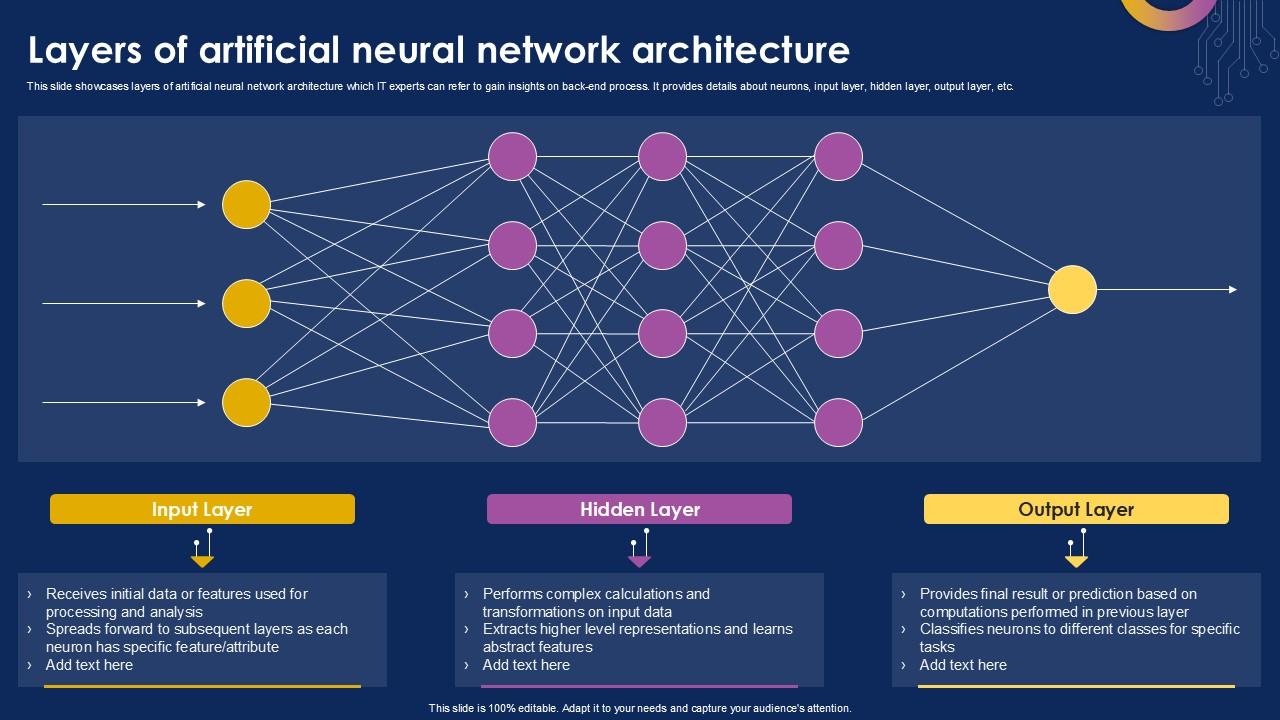
The technical foundation of Kimi K2 is built upon a sophisticated Mixture-of-Experts (MoE) architecture,
a design choice that enables the model to achieve a remarkable balance between immense scale and computational efficiency.
This architecture is a significant departure from traditional dense models, where all parameters are active during every computation.
The core innovation of the MoE architecture lies in its dynamic expert activation mechanism.
This system intelligently routes each input to a select group of specialized "expert" sub-networks within the model,
ensuring that the most relevant knowledge and computational resources are applied to the task at hand.
Dynamic gating network selects optimal experts Domain-specific sub-networks for optimal performance Sparse activation reduces computational overhead
Kimi K2 employs a Multi-head Latent Attention (MLA) mechanism,
specifically designed to improve inference efficiency and enable the processing of long sequences of text.
The model's ability to handle long-context windows enables sophisticated applications such as:
Technical Architecture
Mixture-of-Experts (MoE) Model Design
Scale and Efficiency
Dynamic Expert Activation
Intelligent Routing
Specialized Experts
Efficient Computation
Advanced Attention Mechanisms
Multi-head Latent Attention (MLA)
Long-Context Handling
Massive-scale unsupervised learning on diverse corpus including scientific literature, technical documentation, and open-source code repositories.
Novel optimization algorithm with QK-clip technology ensures stable training at unprecedented scale,
enabling training on 15.5 trillion tokens without any loss spikes
[483].
Human evaluations guide model alignment with preferences for helpfulness, accuracy, and safety. Specialized training for tool use, web browsing, and complex multi-step task execution.
A defining feature of Kimi K2 is its "agentic" nature, which enables it to go beyond simple question-answering
and actively perform tasks on behalf of the user through sophisticated integration with external tools.
Access up-to-date information and perform research Write, test, and debug code autonomously Query and analyze structured data sources
Kimi K2 implements an episodic memory system that allows it to store and retrieve information
from past interactions in a structured and efficient manner, enabling long-term context understanding.
Breaks down high-level tasks into manageable sub-tasks Coordinates multiple tools for complex workflows Maintains task context across multiple interactionsCore Algorithms and Implementation
Multi-Stage Training Pipeline
Pre-training Phase
MuonClip Optimizer
Post-training Phase
Reinforcement Learning from Human Feedback (RLHF)
Agentic Capabilities Training
Agentic AI and Tool Integration
Real-time Web Search
Code Execution
Database Queries
Memory and Context Management
Episodic Memory System
Multi-turn Reasoning
Complex Task Decomposition
Sequential Tool Orchestration
Context-Aware Execution
Kimi K2 has consistently demonstrated its ability to outperform leading models from OpenAI, including GPT-4.1 and GPT-4o,
on a variety of key benchmarks. This success challenges the notion that only closed-source models can reach the pinnacle of AI performance.
Exceptional results on LiveCodeBench and SWE-Bench Strong foundation in STEM subjects Superior tool use and multi-step reasoning Performance Evaluation and Benchmarks
Superior Performance in Coding and Reasoning
Excellence in Mathematical and General Knowledge
Comparative Analysis with Leading Models
Key Advantages

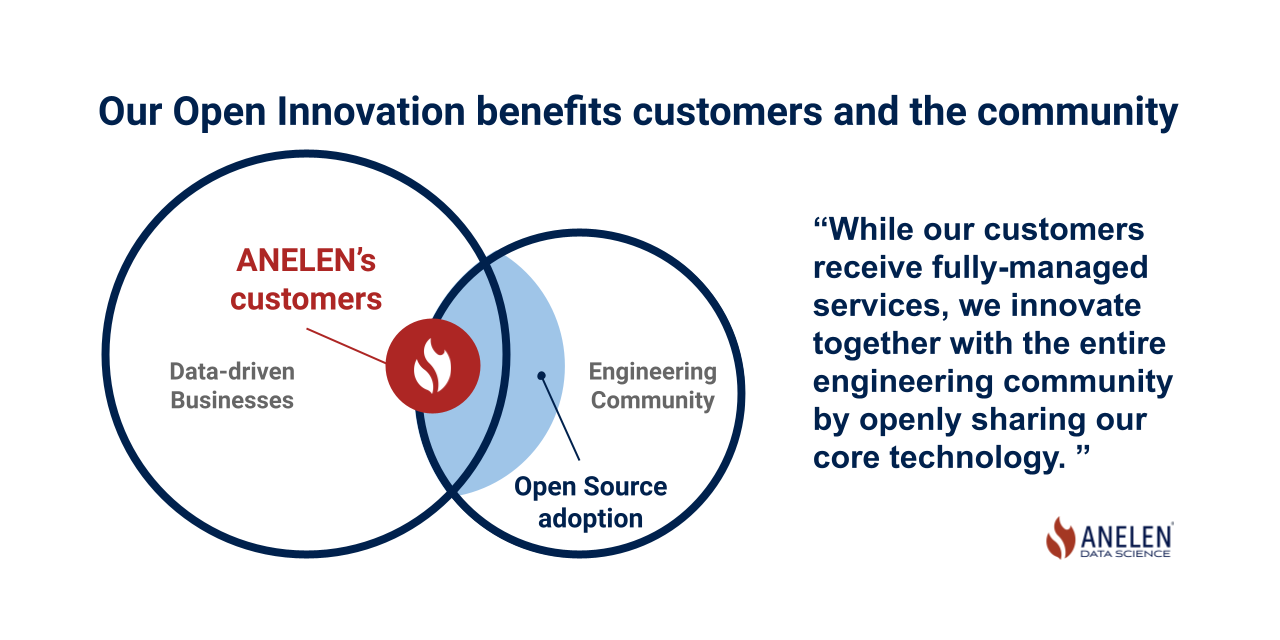
Moonshot AI's decision to release Kimi K2 as an open-weight model under a permissive license
is a key part of its market strategy and a major differentiator from many of its competitors.
This approach fosters a vibrant developer ecosystem and drives research innovation.
Founded by Yang Zhilin, prominent AI researcher with PhD from Carnegie Mellon University
and experience at Google Brain and Facebook AI Research
[421]
[426].
Building foundational models that pave the way to Artificial General Intelligence
while democratizing access to powerful AI tools.
Market Potential and Strategic Positioning
Open-Weight and Open-Source Strategy
Strategic Benefits
Competitive and Disruptive Pricing
Foundational Strengths of Moonshot AI
Leadership Excellence
Vision for AGI
Single powerful Mixture-of-Experts model with 1T parameters, activating 32B per query Multi-model approach using various providers (OpenAI, Anthropic, Meta) Complex multi-step tasks with tool integration and autonomous execution Up-to-date information with source citation and web integration Open-weight model fostering community development and ecosystem growth Closed-source model with subscription-based business model
Execute complex multi-step tasks autonomously without human intervention
[476].
Comparative Analysis with Other AI Search Tools
Kimi AI vs. Perplexity AI
Architecture
Kimi AI
Perplexity AI
Performance Focus
Agentic Reasoning
Real-time Retrieval
Market Strategy
Open-Source
Proprietary
Kimi AI vs. Other Major AI Models
Unique Selling Proposition
Long Context Processing
Agentic Capabilities
Competitive Advantages in Programming
Accelerated development cycles, automated testing, enhanced code quality Rapid literature review, hypothesis generation, data analysis automation Process automation, decision support, knowledge management Applications and Use Cases
Professional and Enterprise Applications
Advanced Programming Assistant
Data Analysis & Business Intelligence
Research & Document Analysis
Enterprise Adoption Benefits
Technical Advantages
Business Benefits
Consumer and Educational Use
Personal AI Assistant
Educational Tutor
Creative Content Generation
Transformative Impact Across Industries
Industry Transformation
Software Development
Research & Academia
Business Operations

References