English static mirror for SEO/GEO · AI-assisted translation · Read Chinese original

GSW Framework: Giving AI Human-Like Episodic Memory for Long-Text Understanding

Forum topic · ✨步子哥 · 2025-12-07

Summary

This forum post introduces the GSW framework, a new approach designed to give large language models human-like episodic memory when processing long-form narrative texts. It begins by describing the well-known 'lost in the middle' effect, where LLM performance degrades as text length grows, with the weakest recall for content in the middle of the input. Traditional RAG (retrieval-augmented generation) is criticized as being suited only for fact retrieval, unable to build spatiotemporally anchored narrative representations or handle dynamic storytelling and character development. Inspired by the brain's neocortex-hippocampus system, GSW consists of two core components: an Operator that acts like a detective, extracting forward-looking questions and mapping observations into intermediate semantic structures (actors, roles, states, actions), and a Reconciler that acts like a chief editor, merging fragments into a coherent dynamic dossier with temporal, spatial, and logical consistency. Reported results show GSW outperforms existing RAG baselines by 20% on an Episodic Memory Benchmark while reducing query-time context tokens by 51%, marking a shift from passive retrieval to active world-model construction.

GSW Framework: Giving AI Human-Like "Episodic Memory"

Tagline of the original poster: *From passive "information retrieval" to active "world-model construction."*

1. The "Lost in the Middle" Effect in Long-Text Reading

Why do even the smartest LLMs forget who the protagonist is when reading a long novel? When processing long texts, AI models show performance degradation as text length increases, with memory weakest for content in the middle of the input.
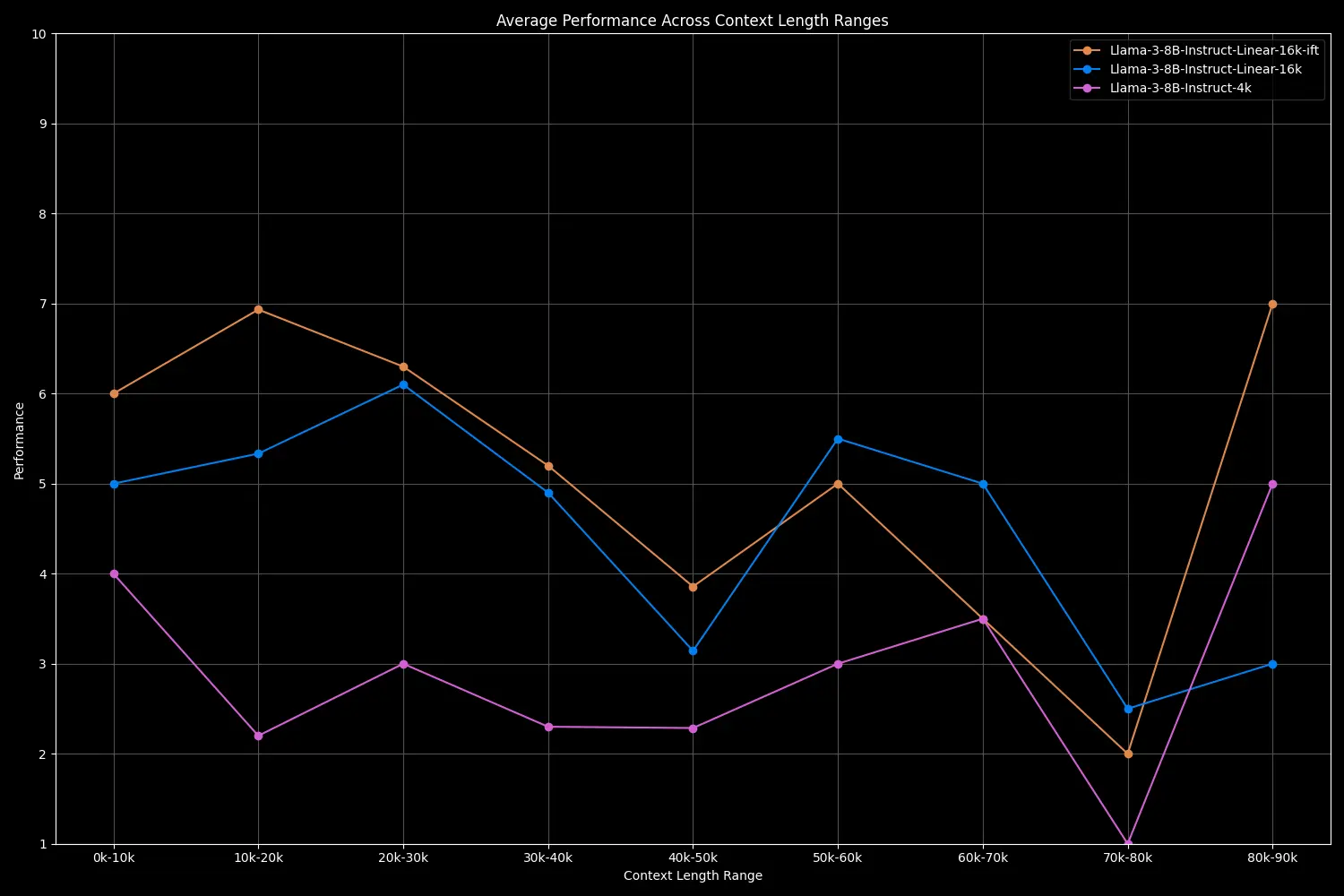
Lost-in-the-Middle performance curve

2. Traditional RAG Is Like Flipping Through Shredded Paper

Traditional RAG (Retrieval-Augmented Generation) methods target fact retrieval and cannot build spatiotemporally anchored narrative representations. They cannot handle "dynamic narratives" or "character growth" — like flipping through a pile of paper scraps with no contextual connection.
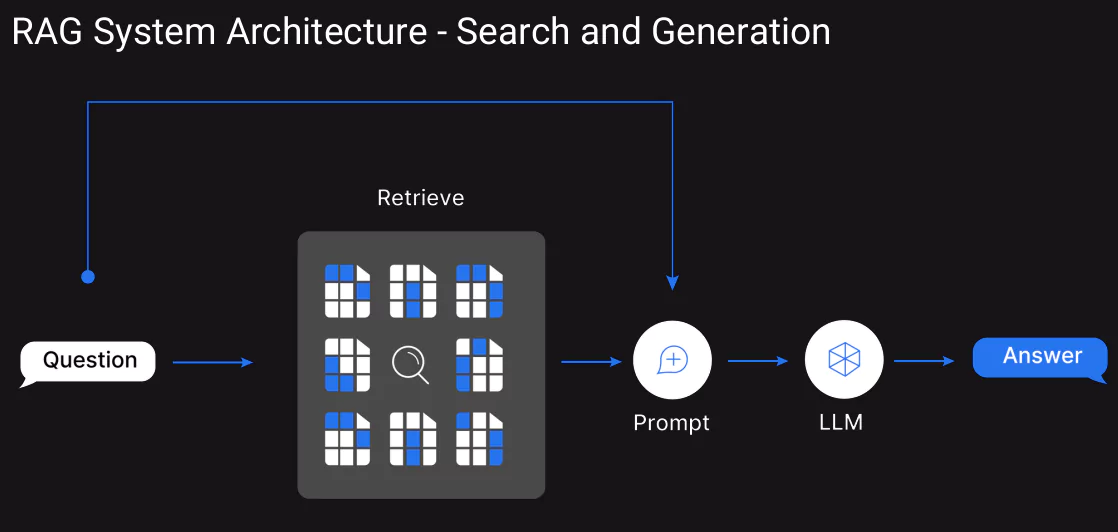
RAG architecture

3. Mimicking the Brain's "Neocortex" and "Hippocampus"

The GSW framework imitates the brain's neocortex–hippocampus system to give AI human-like "episodic memory": the neocortex handles context-rich integration and predictive modeling, while the hippocampus performs indexing, pattern separation, and sequence modeling.
Brain and technology

4. Two Core Components of GSW

  • Operator — Like a detective, it extracts "forward-looking questions" and maps input observations into intermediate semantic structures, identifying actors, roles, states, and actions.
  • Reconciler — Like a chief editor, it integrates fragments into a coherent dynamic dossier, ensuring temporal, spatial, and logical consistency, resolving ambiguity, and filling in missing context.
  • 5. Advantages of GSW

  • Outperforms existing RAG baselines by 20% on the Episodic Memory Benchmark
  • Reduces query-time context tokens by 51%, significantly lowering compute costs
  • Shifts from passive "information retrieval" to active "world-model construction"
  • Enables AI to track the evolution of actors, roles, actions, and spatiotemporal context
> GSW Framework: The future of AI memory is here!

Tags

#gsw-framework#episodic-memory#rag#llm#long-context#narrative-understanding#memory-architecture#ai-research

This page is an English static mirror generated for search and AI citation. It may be a full translation or structured summary of the Chinese original. Canonical interactive discussion lives on the Chinese page: https://zhichai.net/topic/176415100