Imagine standing at the base of a rickety ladder. The ladder used to be sturdy—every rung carried the dreams of newcomers climbing upward. But now the lowest rungs have vanished, replaced by a shiny AI jetpack: it launches you instantly into mid-air, yet never teaches you how to stay stable up there.
I was one of the people who personally removed the bottom rungs. Five years ago, I handed grunt work—writing unit tests, fixing legacy modules—to junior developers. Today, I throw those tasks straight to Copilot or Claude. It's faster, cheaper, and often syntactically perfect. It's precisely that perfection that keeps me up at night: we are manufacturing a disaster for the software industry.
🪜 The Broken Career Ladder: The Rung I Removed Myself
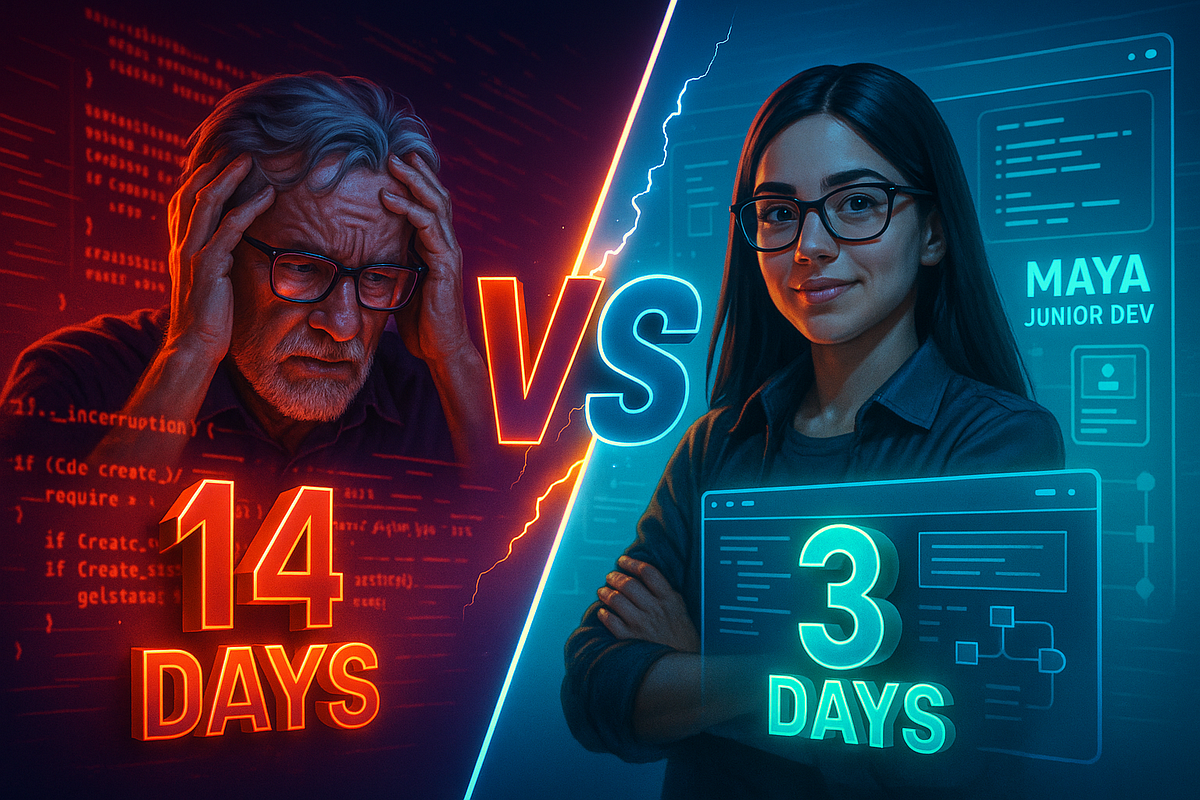
Five years ago, I led the refactor of an aging payment module. The work was tedious: filling in missing unit tests, converting JSON schemas, handling edge cases. I gave it to a fresh graduate. His code was a mess, and I spent two full weeks reviewing with him, explaining, and letting him fix his own mistakes. A few months later, he could own new features independently. I still remember the joy of that growth.
Today? The same task: I type a prompt, and AI spits out a pile of code in seconds. Clean, compliant, 100% test coverage. I skim it and merge to main. Short-term velocity soars—but I suddenly realized that those low-level tasks where juniors used to 'stumble' were the only opportunities to learn how systems break, how code couples, and how boundaries fail.
> The 'career ladder' metaphor: like pilot training, you can't just climb into an F-35 and take off. You have to crash dozens of small planes in a simulator first, learning to handle engine failure and miscalibrated instruments. AI lets us skip the 'crashing small planes' stage and hands us a fighter jet—while nobody learns to pull the stick manually.

If we keep handing all the 'boring but precious' entry-level tasks to AI, where will the senior developers of 2030 come from? The likely answer: nowhere.
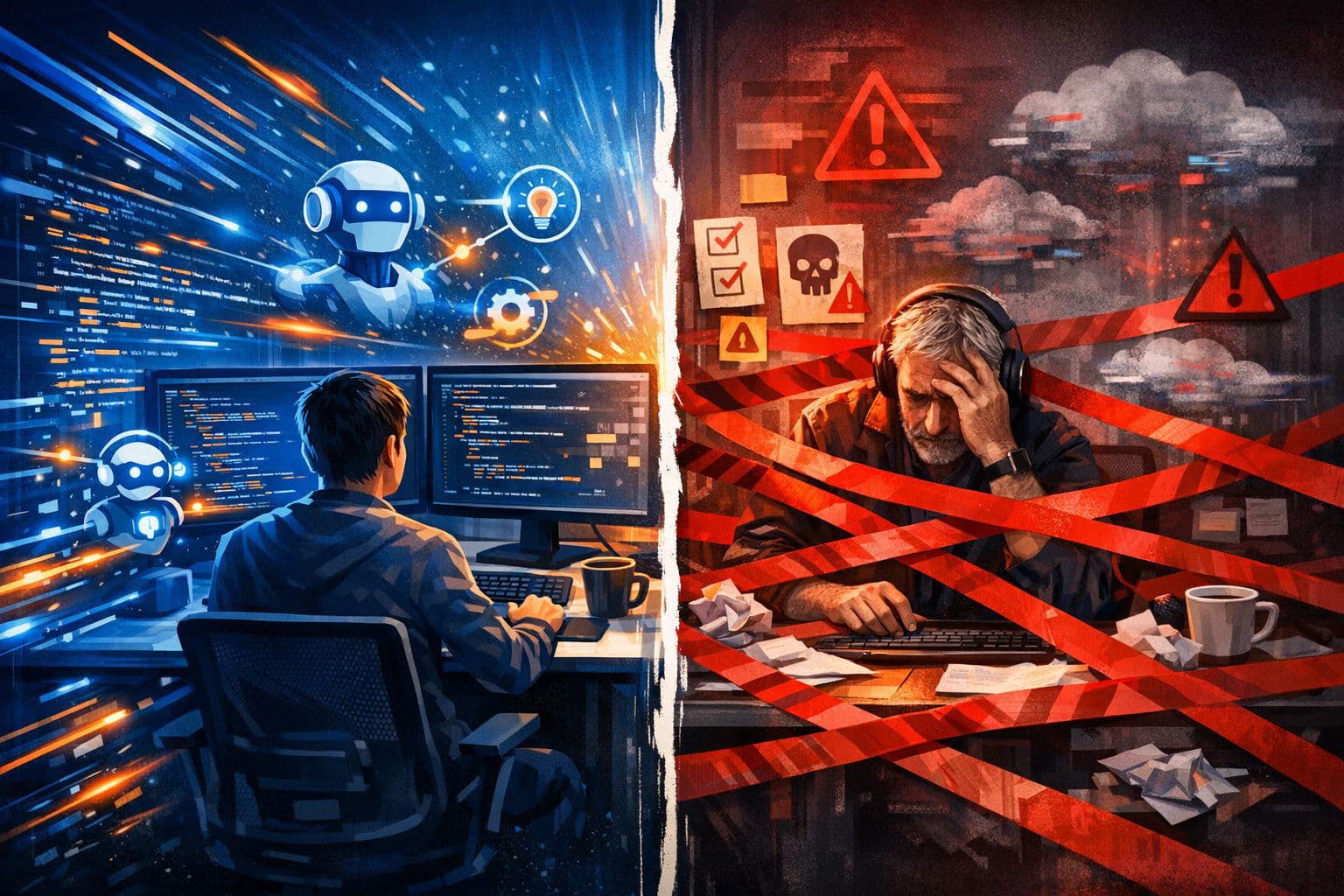
😎 The Fatal Trap of 'Vibe Coding': The Cleanest Bad Code I've Ever Seen
I call this phenomenon vibe coding: describe a vague 'feeling,' and AI generates seemingly perfect code. A miracle in the prototyping phase, a disaster in production and maintenance.
Last month, I had AI quickly implement a distributed lock. The generated code was elegant: Redlock algorithm, Lua scripts, timeout retries—everything included. I merged it excitedly. At 3 a.m., production deadlocked—because the AI 'reasonably' assumed Redis replication lag would always be under 1 second, while our cluster occasionally hit 3 seconds at peak.
If a junior developer had written that code, I would have sat down with them and dissected it line by line: why is this assumption dangerous? How do we add health checks? How do we write stress tests? They'd remember it for life. When AI gets it wrong, I just curse 'hallucinated again,' tweak the prompt, and regenerate. Nobody learns anything.
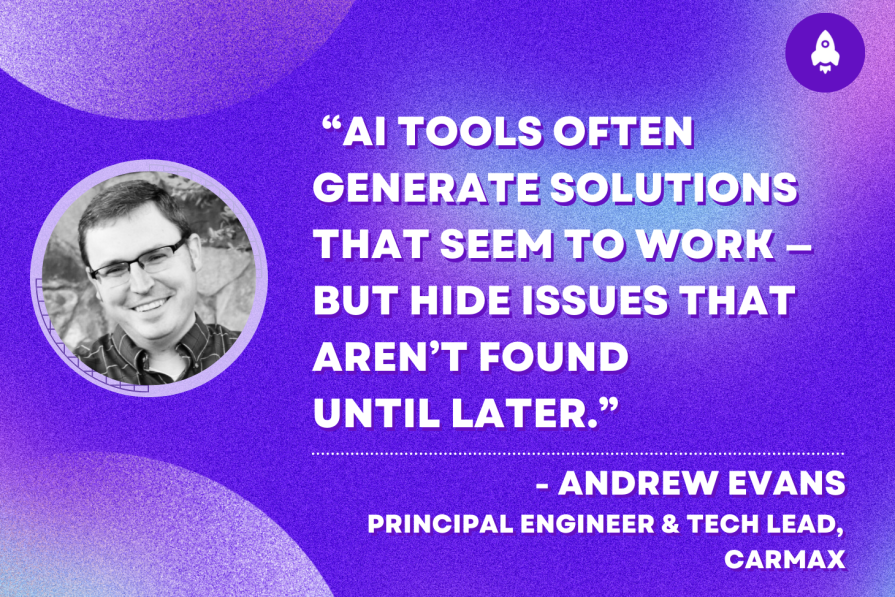
> The 'clean code bug': code that looks perfect, follows every best practice, and is yet completely wrong in logic. It's the scariest kind, because it triggers no alarms—your intuition never rings the bell that 'something's wrong here.'
⚖️ The Brutal Barbell Distribution: Polarized, with No Middle
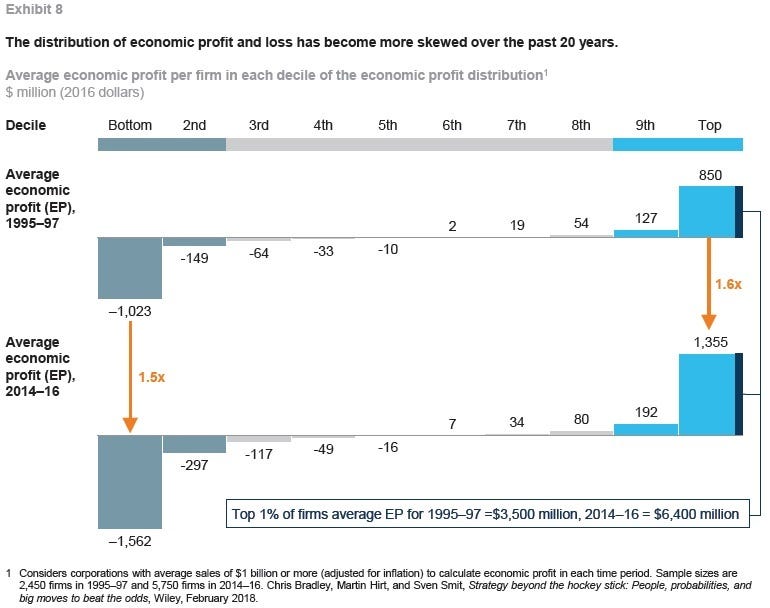
The industry is forming a terrifying barbell structure:
- One end: the super-senior—veterans with 10+ years of experience who use AI as a 10x amplifier. We're faster and stronger.
- The other end: AI users—people who write good prompts but can't independently debug race conditions or understand memory management.
- The middle is vanishing—the bridge from 'can use AI' to 'truly understands systems' has been blown up by our own hands.
- Why did the AI choose this algorithm?
- Does this assumption hold in our production environment?
- What systemic blind spots are hidden here?
I've seen too many newcomers who can build a complete app in a day with AI but can't explain why it collapses under high concurrency. They aren't unintelligent—they've simply never been forced to understand the underlying layers.
🔍 Forensic Coding: The Only Hope I See
In community discussions, someone proposed the concept of forensic coding, and I believe it's the path to redemption. The junior developer's new role isn't 'writing code' but 'auditing AI-generated code':
🌍 Echoes from the Community: We're Not Alone
The 151 comments on the DEV community thread left me both reassured and worried. Some shared similar experiences: companies freezing junior hiring and pouring the entire budget into AI tools. Some are optimistic: 'This is a transition period—once the dust settles, fundamentals will be valued again.' Junior developers shared their own stories: working three side jobs, repairing Chromebooks, running cables, just to accumulate experience while waiting for companies to 'come to their senses.'
What moved me most was Anna's story: she repairs computers by day and self-studies at night, persisting through sheer dedication to problems. She says: 'Chewing on a hard problem for a few hours feels far more rewarding than scrolling social media.' People like her won't go extinct.
There are dissenting voices too: some argue AI is just another tool, like frameworks and IDEs back in the day—it won't eliminate roles, only 'copy-paste developers.' I partially agree—but the speed is different. Past changes took years; this one takes months. We don't have enough time to adapt naturally.
🛤️ The Fork in the Road: Can We Still Turn Around?
I don't have a perfect answer, but I know the current path is unsustainable. Companies must stop treating junior hiring as 'charity' and start treating it as 'existential insurance.' We need to:
1. Redesign junior roles: focus on auditing, debugging, and explaining AI output. 2. Mandate code review: whoever wrote the code—human or AI—someone must be able to fully explain every line. 3. Invest in transparent tools: make AI's decision-making visible and traceable, not a black box. 4. Preserve 'human grunt work': deliberately keep some low-risk tasks for people, so newcomers can 'stumble' safely.
If we don't turn now, in ten years we'll face senior talent debt: the older generation retires, the new one can't take over. Systems will collapse—not because AI isn't smart enough, but because no one truly understands what it's doing.
I was once the person who excitedly replaced junior tasks with AI. Now, I deliberately leave some 'boring' tasks for newcomers—even if it's slower and costlier. Because I know: short-term speed can't buy long-term survival.
We still have time to repair the ladder. But we must act now.
---
References
1. NorthernDev. "The Junior Developer is Extinct (And we are creating a disaster)". DEV Community, 2026. 2. Shitij Bhatnagar. "Thoughts on AI and Junior Developers". dev.to, 2026. 3. Julien Avezou. "On Mentoring and Junior Retention". DEV Community comment thread, 2026. 4. PEACEBINFLOW. "Transparency as Prerequisite for Next-Gen Programming". DEV Community, 2026. 5. Anna Villarreal. "A Junior Dev's Journey in the AI Era". DEV Community personal account, 2026.